joinanees5@gmail.com
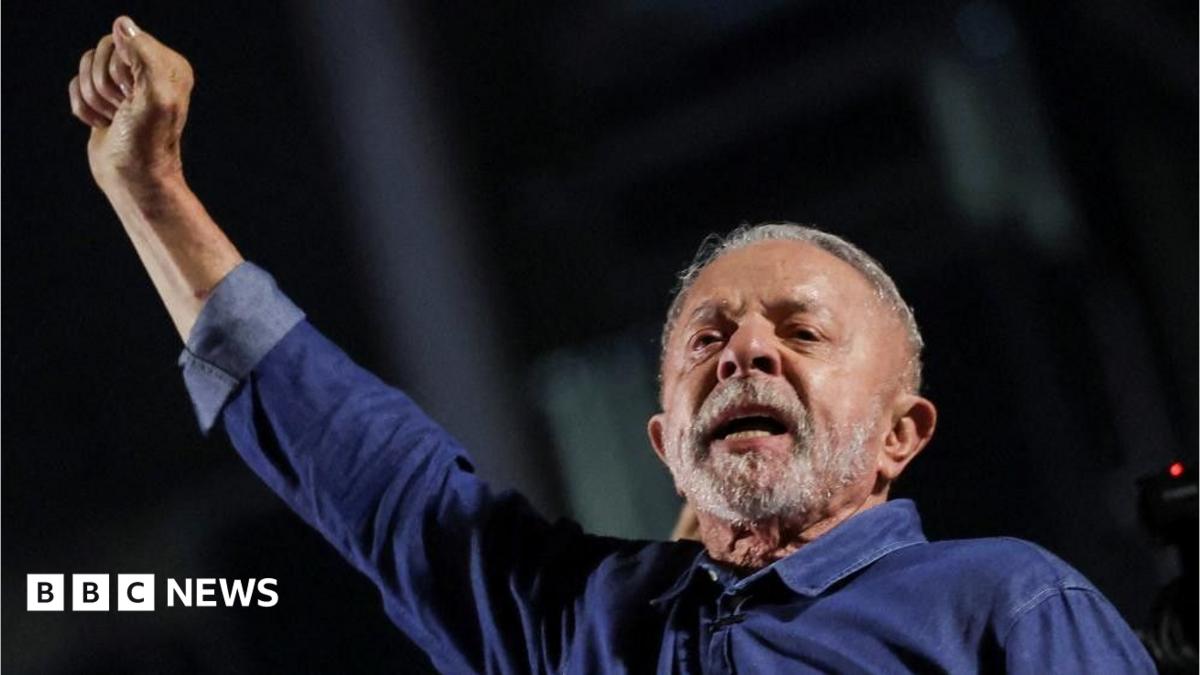
Under his chosen successor, progress stalled. The economic boom also gave way to recession, and the country’s political scene was rocked by a huge investigation into top-level corruption, known as Operation Car Wash.
Lula was among those to get caught up in the scandal. In July 2017, he was convicted of corruption and sentenced to more than nine years in prison for accepting a beachside flat as a bribe from engineering firm OAS – a sentence increased on appeal to 12 years.
Lula was also jailed for 12 years and 11 months for corruption and money laundering for receiving bribes from two construction and engineering firms by way of funding improvements in a country house he and his family used.
He has always maintained his innocence, insisting accusations against him were politically motivated.
In 2019, he was released after having served just over 18 months, after a Supreme Court ruling that the incarceration had been illegal, having come before all appeals had been exhausted.
Those convictions were annulled in 2021, leaving Lula free to run for a third term in 2022, beating right-winger Jair Bolsonaro.
When he re-entered office in 2023, he vowed it would be his last term, and yet his party endorsed him as their candidate again this year, even though he will turn 81 on Tuesday.
Even backers of the PT will acknowledge that he achieved more in his first two terms – from January 2003 to December 2010 – than in his most recent four years in office.
And while his supporters described him ahead of the 2022 election as the “saviour of the Amazon”, praising his commitment to protecting the rainforest, some environmentalists have been critical of some of his recent actions.
His support for exploratory oil drilling in offshore waters near the mouth of the Amazon in particular has drawn criticism.
Lula insists that he remains committed to eventually phasing out fossil fuels and argues that oil revenues are key to financing Brazil’s transition to clean energy.
His government has also pointed to the reduction in deforestation in the Amazon – satellite data suggests the area deforested in the first half of 2026 was reduced to its lowest in the past decade – as proof that its policies were working.