joinanees5@gmail.com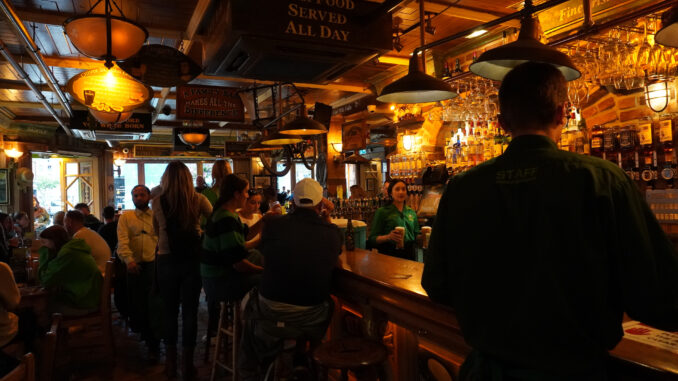
By Lea Mira and Dustin Stone, RTN staff writers – 4.10.2026
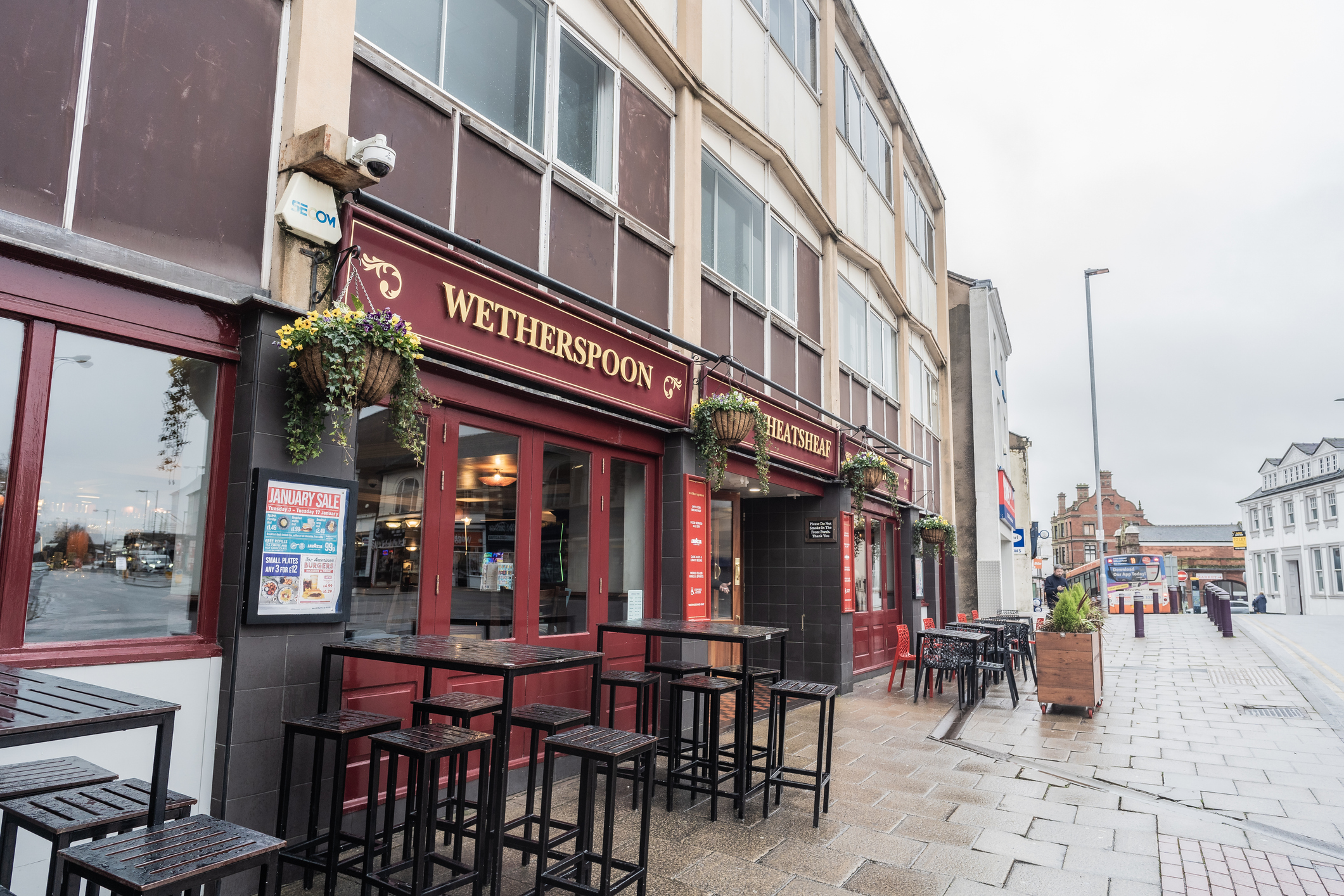
When Wetherspoons founder Sir Tim Martin criticized QR code ordering for “robbing punters of banter at the bar,” as reported this week by The Scottish Sun, he tapped into a growing unease across the hospitality industry.
What makes Martin’s comments particularly notable is the scale behind them. Wetherspoons operates roughly 815 pubs across the UK and employs more than 42,000 people, making it one of the largest and most influential pub operators in the market. When a company of that size questions the long-term role of QR ordering, it carries weight beyond a single brand.
His point isn’t just nostalgia. It’s about what gets lost when efficiency becomes the primary design goal.
For decades, the bar has been one of the last truly social transaction points in modern life. You don’t just order a drink. You exchange a few words. You make eye contact. You become part of the room. Even the act of waiting your turn carries a kind of informal community dynamic. QR codes disrupt that. They remove the friction and with it, much of the interaction.
But the story is more complicated than a simple “tech is bad” narrative. From an operator’s perspective, QR-based ordering systems solve real problems. They reduce pressure on staff, improve order accuracy, and increase throughput during peak periods. They also tend to lift average check sizes through built-in upselling and repeat ordering. In a labor-constrained environment, those advantages are hard to ignore.
And for many guests, the convenience is undeniable. No waiting. No trying to flag down a bartender. No splitting checks awkwardly at the end of the night. So why the backlash? Because the benefits come with trade-offs that are becoming harder to ignore.
The first drawback is experience erosion. When ordering shifts entirely to a phone, the bar risks becoming invisible. Guests are no longer drawn to a focal point of activity. The energy of the room changes. The bartender, once a central figure, becomes a background operator fulfilling tickets rather than engaging with people. That shift matters more than many operators realize. In bars and pubs, the product is not just the drink—it’s the atmosphere. Remove the interaction, and you risk commoditizing the experience.
There’s also a more subtle operational downside. Traditional bar service has a natural flow—one person often owns the interaction from start to finish. With QR ordering, that flow gets broken. Orders come in digitally, are processed in the background, and are either delivered or picked up with minimal engagement. When something goes wrong—a missing item, a delay, a wrong order—there’s no obvious point of contact. The experience can quickly feel impersonal and fragmented.
Another issue is over-optimization. Many bar tech systems are designed to maximize efficiency: faster turns, higher check averages, fewer staff interactions. But hospitality is not a pure efficiency business. Push that logic too far and you start stripping away the very elements that drive loyalty and repeat visits. Guests may appreciate the convenience once, but if the experience feels transactional, they have little reason to come back.
There’s also a social trade-off that’s harder to quantify. As The Scottish Sun noted, even regulars have raised concerns that app-based ordering is “taking away the atmosphere of chatting with the bar staff, or people in the queue.” That kind of casual interaction is part of what differentiates a pub from other dining environments. When it disappears, the venue risks losing part of its identity.
And then there’s simple technology fatigue. Not every guest wants to scan a code, navigate a menu, and troubleshoot connectivity issues just to order a drink. For some, especially older demographics, this creates friction rather than removing it. Even among younger guests, there’s a growing sense that not every experience needs to be mediated through a screen.
What makes Martin’s comments interesting is not whether he’s right or wrong. It’s that they highlight a broader inflection point. The industry spent the past several years rapidly digitizing the guest experience. In many cases, that was necessary. But now operators are starting to reassess how far that digitization should go.
The most effective operators are not abandoning technology. They’re recalibrating it. Instead of replacing bar interaction, they’re using digital tools to support it. QR ordering becomes an option, not the default. Staff are freed up from routine tasks so they can focus on higher-value interactions. Technology handles the mechanics, while people handle the experience. That balance is where the industry is headed.
Wetherspoons may or may not roll back its use of QR codes. But a full reversal across the industry is unlikely. The operational advantages are too significant. What’s more likely is a shift in how these tools are deployed. Operators will become more intentional about when and where to use digital ordering. They’ll think more carefully about the role of the bar as a social anchor. And they’ll recognize that not all friction is bad—some of it is what makes the experience memorable.
In that sense, the debate isn’t really about QR codes. It’s about what kind of experience restaurants and bars want to create in an era where technology can do almost everything—except replicate human connection.