joinanees5@gmail.com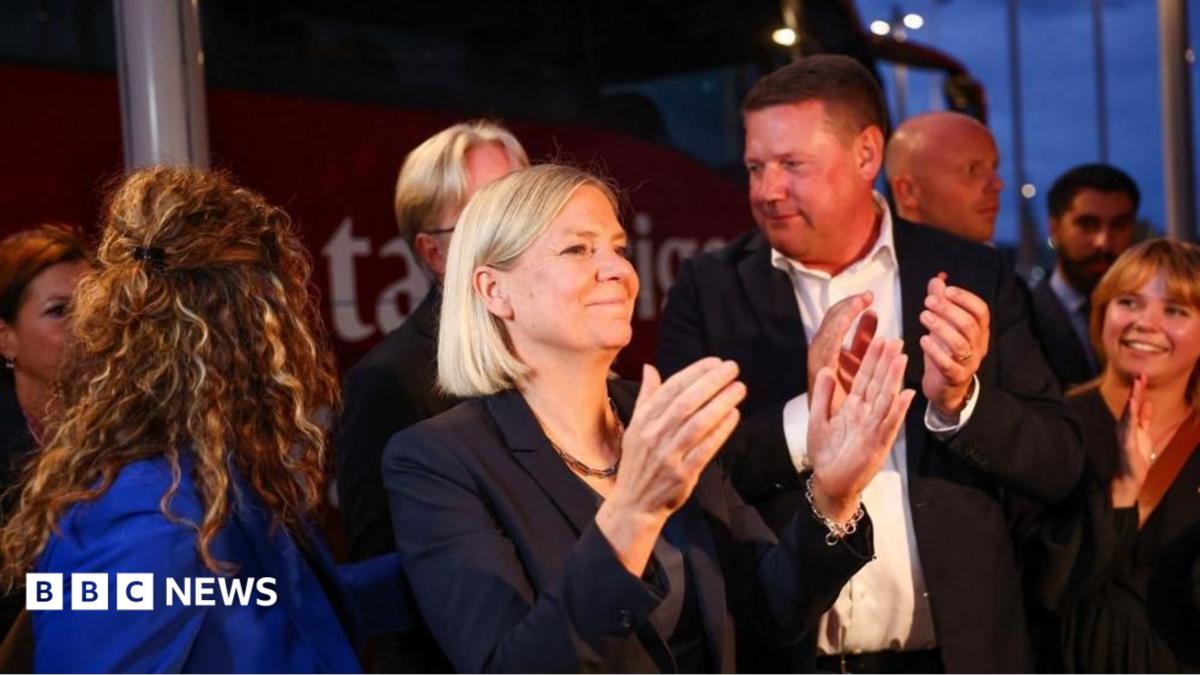
Sweden has two major political blocs featuring four parties on the right and four on the left – meaning coalition and minority governments are relatively common.
Andersson’s party, the Social Democrats, have been a major force in Swedish politics since the end of World War Two.
But SD – founded by Nazi sympathisers in the 1980s – had been shunned for years until 2022 when it became the country’s second largest party after campaigning on violent crime and immigration.
After casting her vote on Sunday, Andersson laid out the choice facing the Swedish public: “Should we have a government entirely dominated by the Sweden Democrats, something that has never happened in Sweden before? Or should we have a government led by me, which will steer Sweden in a new spirit of co-operation?”
Kristersson, for his part, said it was important he and his alliance were able to continue their work.
“I think there is a genuine enthusiasm for us being able to continue our important work,” he said after casting his ballot in his home municipality of Strangnas.
National security, gang crime and welfare spending dominated the election campaign.