joinanees5@gmail.com
The classic porch pick-up is being replaced by a digital trap as Australia Post sounds the alarm on a surge in sophisticated scams targeting second-hand sellers.
With Australians spending a record $18.9 billion on online marketplaces over the past year, cybercriminals are now embedding themselves into transactions on platforms such as Facebook Marketplace in a bid to drain bank accounts.
The scam typically begins with a “buyer” showing immediate interest in a listing.
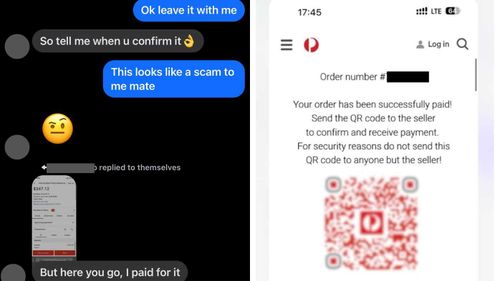
Instead of negotiating a pick-up time, the fake buyer sends a link or QR code via Messenger, claiming it leads to an official “Australia Post courier service” to facilitate payment and delivery.
These links redirect victims to highly convincing, fraudulent websites designed to harvest sensitive personal and financial data.
Australia Post chief information officer Adam Cartwright warned these tactics were becoming increasingly difficult to spot as scammers capitalised on the convenience of digital shipping.
Cartwright said scammers were falsely claiming that Australia Post acts as a third-party service — handling the buyer’s money, transferring it to the seller, and managing the entire logistics chain.
“Be aware that Australia Post does not handle payments for buyers and does not have a courier service associated with Facebook Marketplace,” Cartwright said.
The scale of the problem is significant, with more than 2500 Australians already reporting these specific Facebook Marketplace scams to the postal service this year alone.
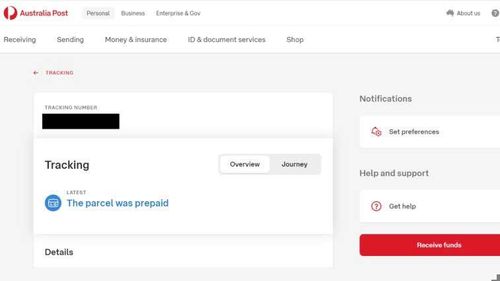
To combat the rise in “delivery” fraud, the national carrier is urging the public to shift their habits.
The safest way to track any legitimate parcel or service is through the official AusPost app, which uses secure push notifications rather than easily spoofed text messages or emails.
The golden rule for anyone cleaning out their garage or hunting for a bargain remains simple: Australia Post will never request passwords, credit card numbers, or bank details via phone, text, or email.
If a buyer insists on using a link to “verify” a payment or organise a courier, it is almost certainly a trap.
NEVER MISS A STORY: Get your breaking news and exclusive stories first by following us across all platforms.