joinanees5@gmail.com
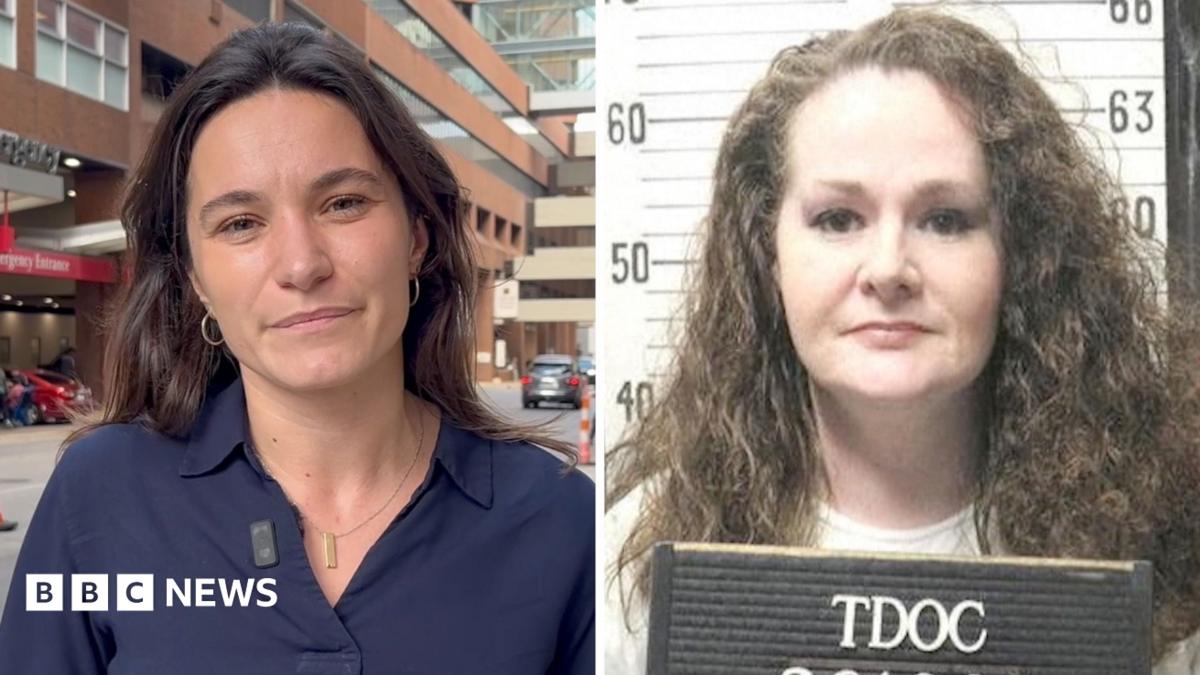
Pike’s attorneys previously warned that her conditions, including thrombocytosis (a blood-clotting condition) and small veins meant there was a risk she would experience “unnecessary” pain and suffering during a lethal injection.
In the latest filings, her lawyers allege that “at no point did any member of the execution team realise that the IV lines were not correctly placed or that the veins had blown and that the pentobarbital was, in whole or in part, entering Ms Pike’s body”.
They are requesting that all relevant physical, written and electronic evidence is preserved.
Dr Joel Zivot, an anaesthesiologist advising Pike’s defence team, said two doses of pentobarbital was enough that “she would have surely died” had it entered her bloodstream in normal circulation.
The only possible explanation for her survival, Zivot said, “is that the pentobarbital blood level was never high enough to cause death” and that blisters on her arm after the botched execution indicated a ruptured vein.
So, instead of entering Pike’s bloodstream, he said, the pentobarbital was more likely to have spread across the tissue under her skin.
Pike’s medical condition of thrombocytosis may have also played a role, forming blood clots at the injection site that would potentially block pentobarbital from entering her veins.
Regarding the possibility the pentobarbital was degraded, Zivot explained that if this was the case, it could be due to factors including poor manufacturing or improper storage.