joinanees5@gmail.com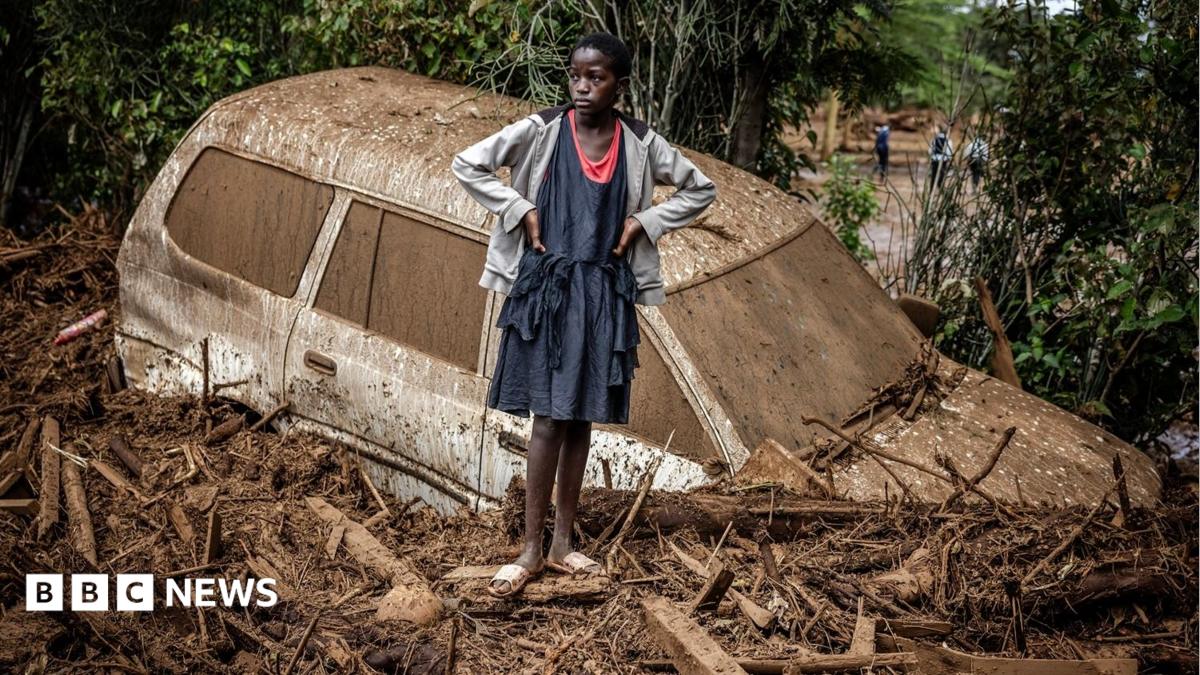
“We are already seeing disruption and devastation from droughts and floods and we expect these impacts to increase as El Niño intensifies,” said Prof Celeste Saulo, secretary general of the WMO.
This is all happening on top of long-term human-caused warming, making the impacts potentially more intense. Some scientists believe climate change could even be making El Niño events stronger, but this is not yet certain.
Peru is particularly vulnerable to El Niño, as its coastline borders the eastern Pacific.
Parts of the country, along with Ecuador and parts of Brazil, have previously experienced increased rainfall, resulting in flash flooding and landslides, particularly in urban centres where the water is less able to drain away.
Miguel Aréstegui, climate resilience lead at Practical Action, which helps countries prepare for extreme weather, said “we are significantly concerned, but that concern needs to translate into preparedness rather than alarm.”
He said Practical Action had been working with partners over recent years to make sure the public had better access to early warning systems, including sharing information on river levels, flood risks and weather forecasts.
At the end of last month, the US announced it was deploying the vessel USNS Comfort to the Peruvian coast to provide additional medical assistance and technical equipment for when El Niño reaches its peak.
However, Aréstegui said El Niño “does not arrive in a vacuum”. There are bigger, structural issues that make these events worse and which take much longer to resolve such as “housing in exposed areas, fragile water and sanitation systems, and a weak healthcare system”, he said.