joinanees5@gmail.com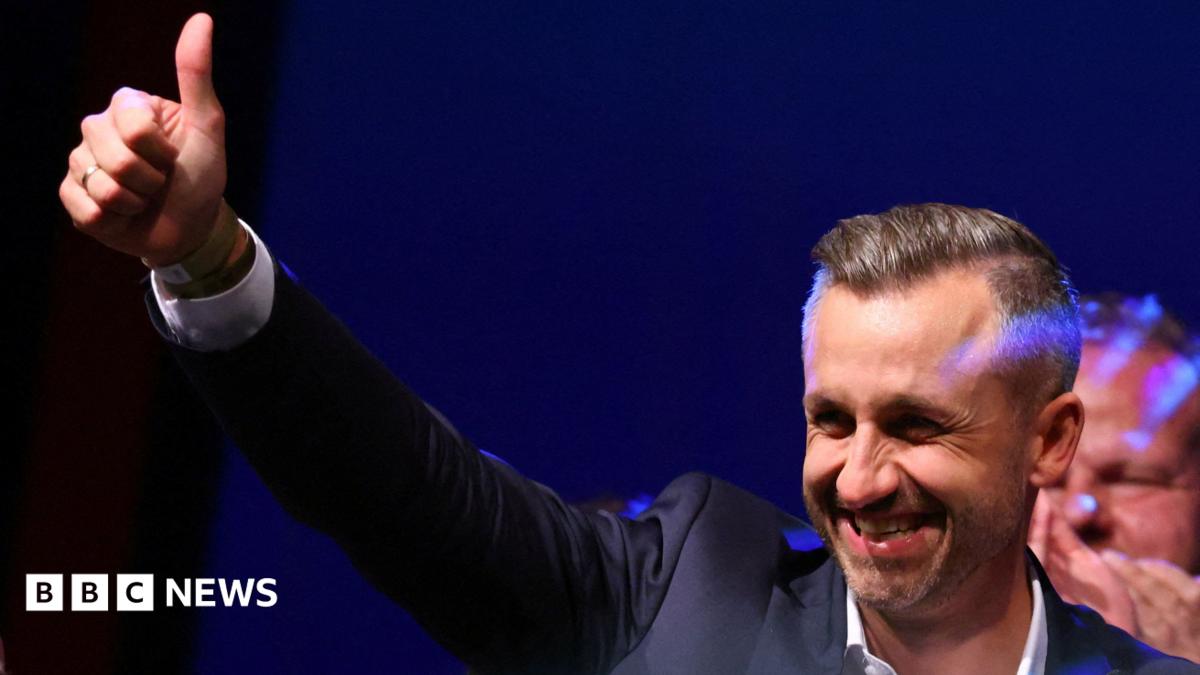
“Seismic”, “a socio-political earthquake”, “a watershed moment for Germany”.
This was how political analysts and many media outlets described the stunning victory of the anti-immigration Alternative for Germany (AfD) party in local elections in Germany on Sunday. Is that an exaggeration?
Saxony-Anhalt is one of the smallest of massive Germany’s 16 regions. It boasts a mere 1.7m out of 59m eligible voters nationwide. How significant can its political sentiments be, especially since the AfD narrowly failed to win an outright majority?
The answer: very significant.
First and foremost, at home in Germany.
The vote may have been regional but it impacts at national level. The AfD landslide piles even more pressure on the already beleaguered centrist coalition government in Berlin. It may prove to be the nail in the political coffin of Germany’s deeply unpopular conservative Chancellor, Friedrich Merz. He had promised to slash the AfD’s popularity.
These political woes will further weaken and distract Germany, the EU’s most powerful player, at a time of continental crisis – as Europe struggles to contain Russian aggression, Donald Trump’s tariff tantrums and the economic threat from China.
The Saxony-Anhalt result also provokes soul-searching throughout Germany, where the Nazi past still looms large. This is the first outstanding electoral landslide for a hard right nationalist party since the fall of the Third Reich in 1945.
The German authorities have labelled the AfD, in part, anti-democratic and a number of regional factions of the party, including Saxony-Anhalt, far right extremist.
The AfD is well known to be particularly popular in east Germany but it’s now also polling as the biggest political party nationwide.
Germany’s political mainstream has failed voters, it would seem. What does Europe’s biggest single economy, its most populous nation not counting Russia, do now?
Tiny Saxony-Anhalt is causing waves outside Germany too.
None other than the President of the United States swiftly posted the Saxony-Anhalt exit poll on his Truth Social platform on Sunday.
The AfD’s anti-immigration, anti-woke, “Germany for Germans” message chimes closely with Donald Trump’s MAGA missive. Along with a number of other nationalist parties in Europe, the AfD borrows heavily from the Trump playbook – undermining mainstream media, questioning the neutrality of judges and promising to “make Germany great again”.
Interesting to note though – the US president is rarely name-checked on the campaign trail in Europe. Politicians are keenly aware just how unpopular he is amongst voters.
Hot on Donald Trump’s social media heels on Sunday night was the influential Russian businessman Kirill Dmitriev, CEO of the Russian Direct Investment Fund. He declared the AfD result “historic”, Germany’s national government “discredited” and the German Chancellor “humiliated”, comparing Friedrich Merz to the UK’s not-long-gone prime minister, Keir Starmer, who felt forced to resign this summer.
What interest might Russia have in German regional elections, you might ask, and what was Dmitriev’s dig at the UK all about?
The German government is the largest single donor to Ukraine and the UK is known to have provided Kyiv with missiles used to strike inside Russian territory. This has deeply angered Moscow.
The AfD, by comparison, is pretty pro-Russia. It wants to stop sending military aid to Ukraine, halt sanctions against Moscow and start buying much cheaper Russian energy again. Energy-hungry German industry suffered a huge economic blow after the country halted Russian energy imports, following the 2022 full-scale invasion of Ukraine.