joinanees5@gmail.com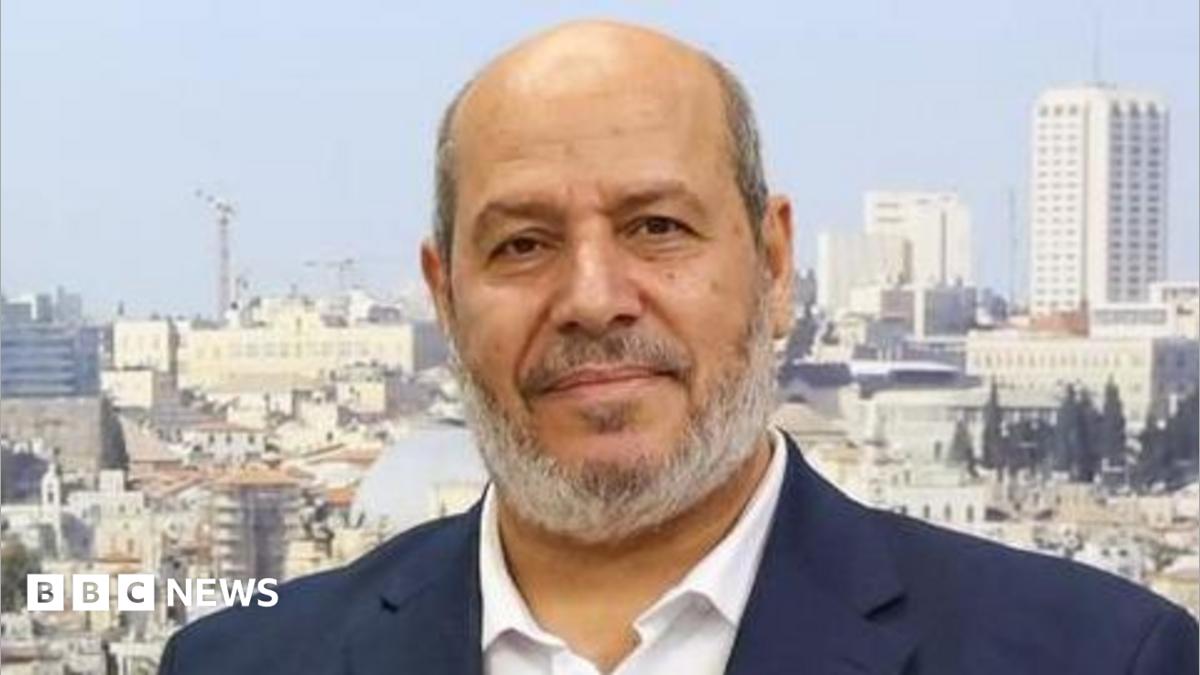
Hamas is going through one of the most difficult periods in its history.
The group – which is designated as a terrorist organisation by Israel, the UK, the US and many other countries – has been severely weakened by the Gaza war, during which much of its senior military and political leadership has been killed, its governing structures dismantled, and large parts of the Palestinian territory have been destroyed.
The leadership contest has exposed a widening strategic divide within Hamas over its future.
Meshaal, who previously led the movement for decades while in exile, is associated with Hamas’s traditional leadership.
His supporters have argued that Hamas should draw lessons from the war, move away from a strategy centred primarily on armed confrontation, and adopt a more pragmatic political approach while preserving the movement’s core objectives.
However, supporters of Hayya successfully argued that Gaza’s leadership, having borne the brunt of the conflict, should now lead the movement. They want to remain firm against pressure to make major concessions, particularly over the issue of disarmament.
Since it agreed a ceasefire deal with Israel last October, Hamas has refused to give up its weapons without a guaranteed political path to Palestinian self-determination and statehood. It has rejected plans from the US-led Board of Peace that prioritise immediate demilitarisation over reconstruction.
Hamas complains that there is a lack of security guarantees against continuing Israeli attacks and emerging rival armed groups.
About 1,200 people were killed and 251 others were taken hostage in the 2023 Hamas-led attack on Israel.
Israel responded by launching a massive military campaign in Gaza, during which more than 73,280 people have been killed, including 1,158 since the ceasefire began, according to the territory’s Hamas-run health ministry.