joinanees5@gmail.com
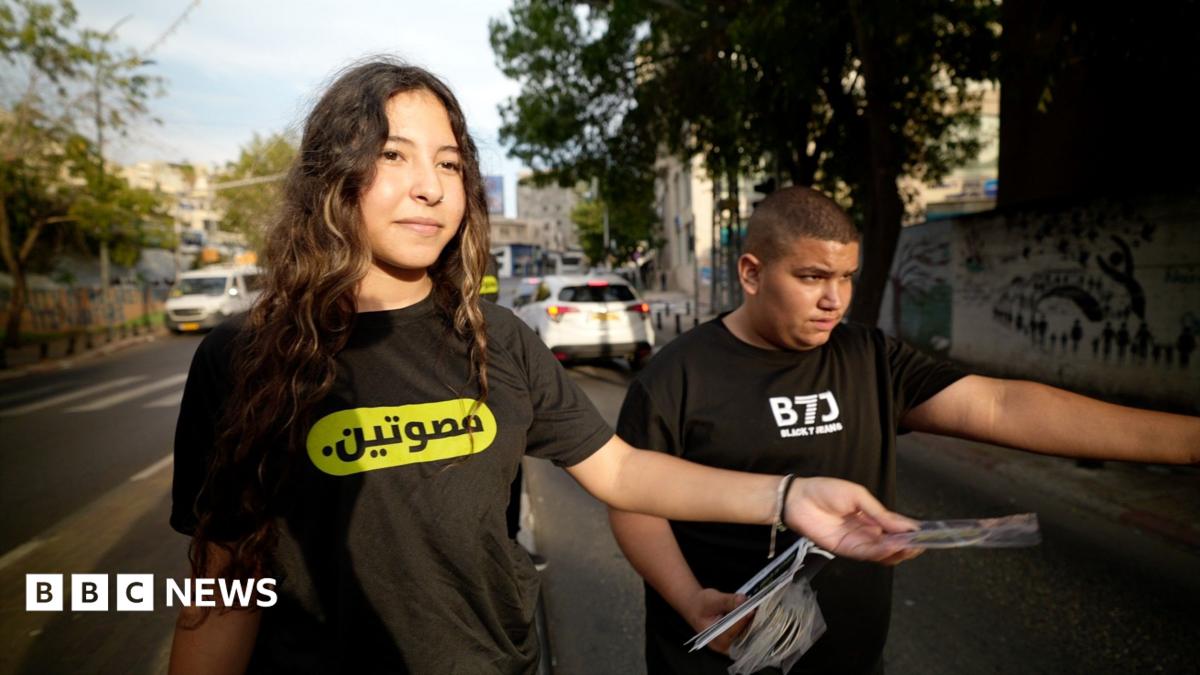
“After October 7, we were treated as enemies of this country,” says Suha Salman Mousa of the Mossawa Centre in Nazareth, which advocates for equal rights for Arab citizens. “There was shrinking space for freedom of speech. There were major arrests, there was also firing of people from their workplaces because they put something on social media or they went out against the war on Gaza.”
Salman Mousa accuses ministers of “systematic discrimination and incitement” against Arab Israelis. Civil society groups say they have disproportionately cut budgets for Arab communities. The government says reductions are needed to fund wartime defence and security spending.
There have also been politicised campaigns against Arab physicians working in Israeli hospitals and racially motivated attacks on Arab bus drivers by Jewish Israelis.
Some electioneering has sought to capitalise by deepening social divisions. The far-right Finance Minister, Bezalel Smotrich, has vowed to “Judaise” parts of the northern Galilee and southern Negev regions where most Arabs live, likening this to expanding settlements in the occupied West Bank.
The majority of Arab Israelis are descendants of Palestinians who remained within what became Israel during the war that surrounded the creation of the state in 1948, when hundreds of thousands were forced from or fled their homes. Israel’s current government often frames them as a threat to the state’s Jewish identity. Recently, the prime minister has claimed that his rivals plan to team up with Arabs and form a “dangerous government”.
To make this point, his campaign has put up billboards, including one at a road junction at the main entrance to Nazareth. They suggest a choice between: “Right or Palestine” – with pictures of main opposition figures, including right-wingers, depicted as representing the latter not the former. The Netanyahu campaign has also used AI-generated videos to present his opponents embracing Arab leaders.