joinanees5@gmail.com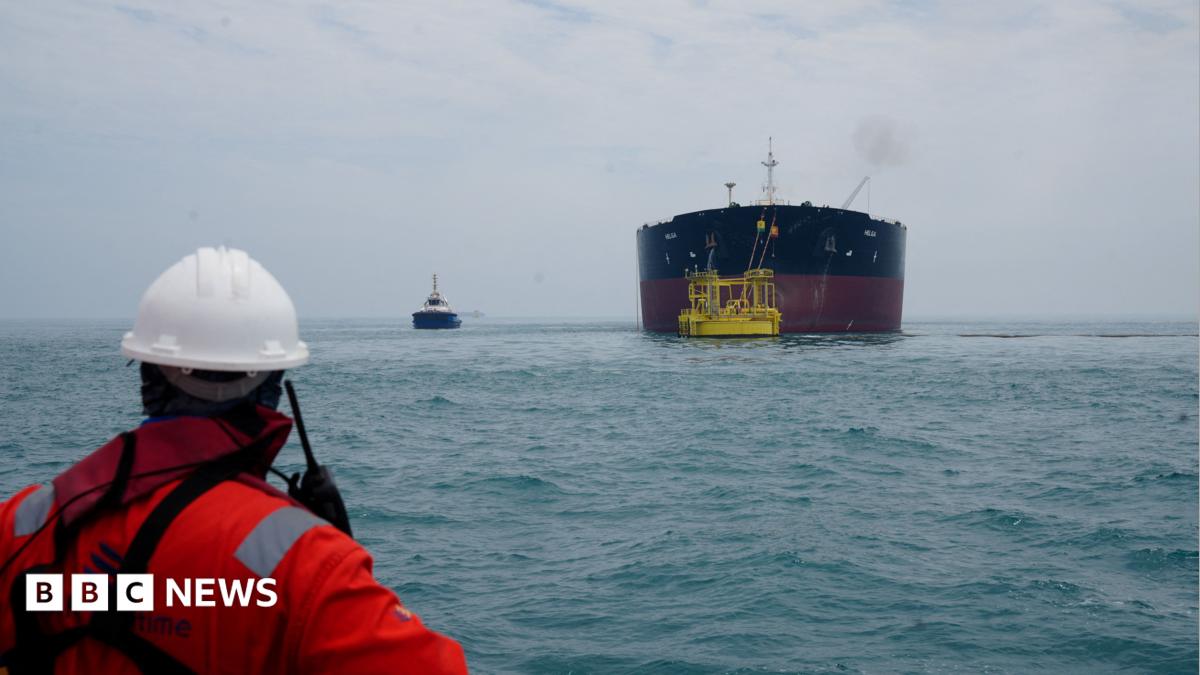
Iran has denied a claim by Vice-President JD Vance that it will allow nuclear inspectors back into the country, after the first round of talks between Washington and Tehran to reach a final deal to end the war.
Following negotiations in Switzerland, Vance said on Monday that discussions with the International Atomic Energy Agency (IAEA) could be happening “as soon as today”.
But Iran’s foreign ministry told state media that Tehran had made “no new commitments” on nuclear inspections.
Iran and the US continued to share conflicting remarks on the nuclear issue on Tuesday.
Iran’s foreign ministry spokesman Esmaeil Baqaei said it had no plans to allow inspectors to access nuclear sites bombed by the US and Israel last year.
US President Donald Trump said that despite Iran’s “protestations and false statements to the contrary”, it had “fully and completely agreed” to inspections.
“If they did not agree to this, there would be no further negotiations!” he posted on social media.
Meanwhile, the US has temporarily waived sanctions, allowing Iran to sell oil in US dollars for the first time in decades.
In a joint statement released on Monday, mediators Qatar and Pakistan said that after the first round of talks in the Swiss resort of Bürgenstock, the US and Iran had agreed to “a roadmap towards reaching a final deal within 60 days”.
Vance described the talks as having laid a “very good foundation”.
The US vice-president said the teams had discussed the reopening of the Strait of Hormuz and “de-confliction for the regional ceasefire”.
The 60-day sanctions waiver issued by the US Treasury on Monday dismantles central pillars of Washington’s long-running embargo, which has historically choked off Tehran’s economy.
The emergency licence authorises the production, sale and delivery of Iranian crude and petrochemicals until 21 August.
Iranian oil can even be imported directly into the US, under the sanctions relief.
It unlocks banking transactions, insurance and transportation and does away with the complex networks that Iran has previously used to sell crude.