joinanees5@gmail.com
One key area of co-operation is hydropower. India has approved projects to import up to 1,200MW of electricity from Nepal and is looking to expand imports further.
“India has a huge demand for electricity and Nepal has the potential to generate due to its water resources and geography. It’s not just bilateral, Nepal also exports electricity to Bangladesh via India,” says Rae.
India has often been among the first countries to assist Nepal during major natural disasters, including the 2015 earthquake and the flash floods in August this year.
Despite the close links, Nepal and India have their differences.
In 2019, Nepal was furious after India published a map that included areas claimed by Kathmandu, in a western region close to the border with China, as part of its territory. That raised heightened awareness in Kathmandu about the region.
The diplomatic wrangle escalated after Nepal published its own map which included those disputed areas.
“I hope Nepal’s prime minister raises the border issue with Delhi this time. There may not be a resolution immediately, but they should start negotiations to settle the issue,” Kanak Mani Dixit, a veteran Nepali political analyst, told the BBC.
Nepal has also long urged India to open additional air entry routes, allowing large aircraft to fly in from the west to its new airports at Bhairahawa, near the Buddhist holy site of Lumbini, and Pokhara, a major tourist destination.
Access to Indian airspace would mean shorter flights at lower cost and, with more flights, the airports would become commercially viable.
Some in Nepal also believe that Delhi is wary of the fact that the Gautam Buddha international airport was constructed by China’s Northwest Civil Aviation Airport and the airport in Pokhara was built with Chinese financial assistance.
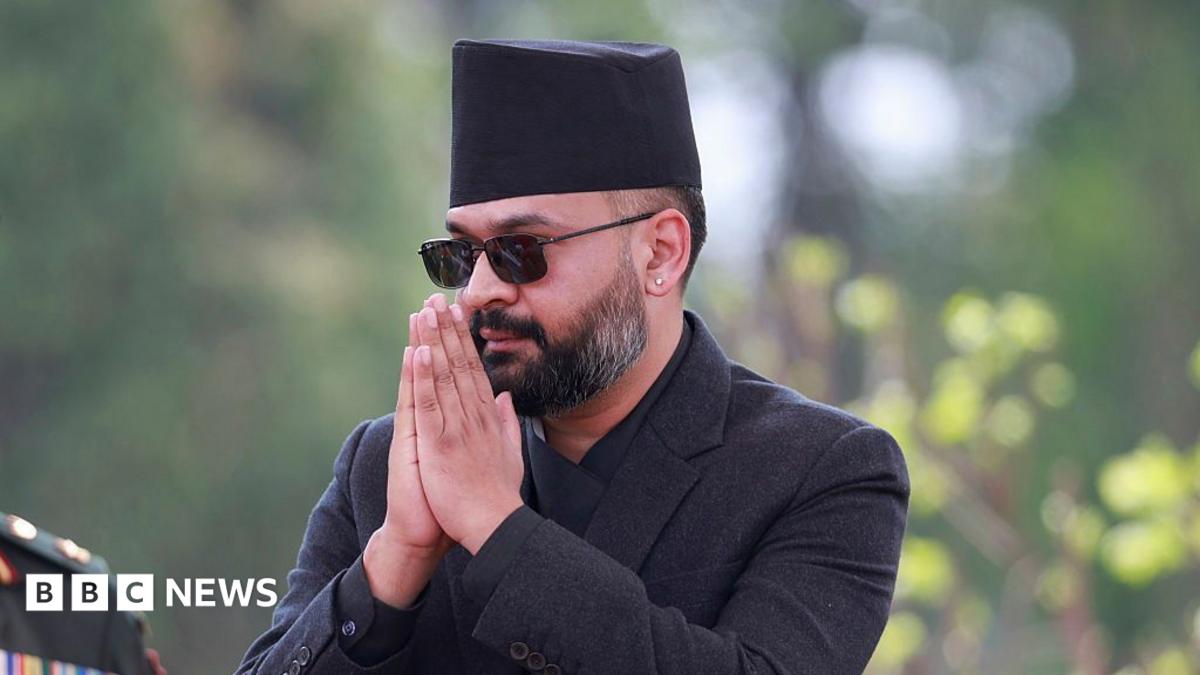
Shah has yet to make any overtures to Beijing, but sent a 20-member delegation of party MPs to China for an 11-day visit from 15 November, ahead of his trip to India – seen as an effort to balance ties with Nepal’s two powerful neighbours.
Shah had pledged not to travel abroad during his first year in office, but devastating flash floods in August have changed the calculus.
His government estimates reconstruction will cost nearly $5bn, while international aid pledged so far has fallen short of expectations.
But some observers in Nepal believe that Shah’s preparations for the high-stake India visit have been less than thorough.
“Prime Minister Shah and his advisors are young and fresh, but they do lack experience. Repeatedly they have exhibited a lack of gravitas in governance, which would be essential for diplomacy with an overwhelmingly powerful neighbour,” says Dixit.
Shah is already facing criticism over some of his government’s recent decisions, including to remove police chief Dan Bahadur from his post after he allegedly refused to comply with directives from the Prime Minister’s office.
Police were sent to some news organisations to detain journalists for their news coverage triggering accusations of curtailing press freedom.
While Kathmandu has ambitions in advancing its ties with India, the real test for Shah would be to return home with tangible outcomes. Securing concrete commitments from Delhi on financial aid would be seen as a diplomatic success and could help blunt growing domestic criticism.